The 46th GTI Workshop
Report in Collaboration with the GSMA Highlights Best Practice from National 5G Plans


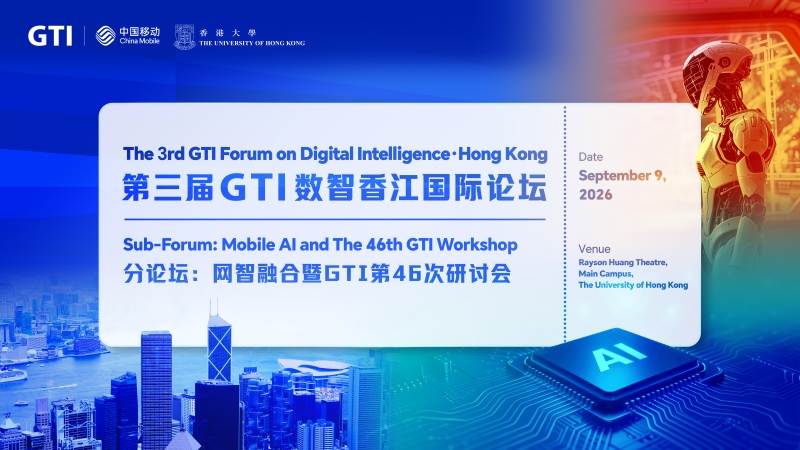
On September 9, the 3rd GTI Forum on Digital Intelligence, Sub-Forum: Mobile AI and The 46th GTI Workshop took place at The University of Hong Kong. Jointly organized by GTI, China Mobile, and The University of Hong Kong, the sub-forum brought together experts, scholars, and industry representatives from the global telecommunications and artificial intelligence communities. Participants engaged in in-depth discussions on frontier topics, including AI-native 6G, 3D connectivity, integrated sensing and communications, wireless intelligence, and the scalable development of Mobile AI networks. Together, they explored future directions for deeper integration of artificial intelligence and communications networks.
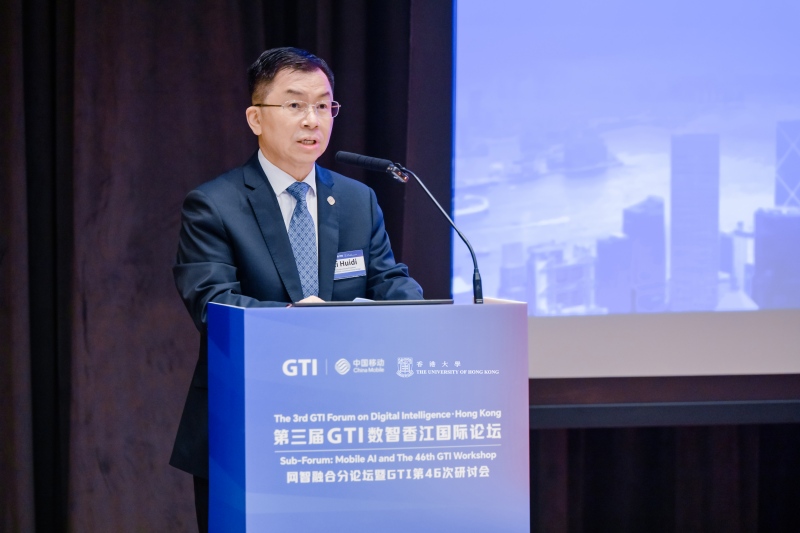
Li Huidi, Executive Vice President of China Mobile, said in his remarks that, with the rapid development of the digital economy and artificial intelligence, the role of the network is evolving from “connection” to “empowerment.” Network–intelligence convergence represents a transformation in both directions: on the one hand, AI is reshaping network systems; on the other, networks are becoming a solid foundation for the development of AI. China Mobile continues to advance Autonomous Networks under its “Zero-X and Self-X” vision, driving networks to evolve from passive response to proactive intelligence and from isolated automation to coordinated operations across the network. Looking toward 6G, China Mobile will further promote the deep integration of networks with computing, sensing, artificial intelligence, and other capabilities. Since 2018, China Mobile has continuously advanced 6G research and development, filing more than 2,000 6G patent applications, publishing more than 200 research papers, and building the world’s first 6G trial facility. Going forward, China Mobile will remain committed to openness and collaboration, working with industry and academia to advance network–intelligence convergence as well as innovation in standards, ecosystems, and applications.
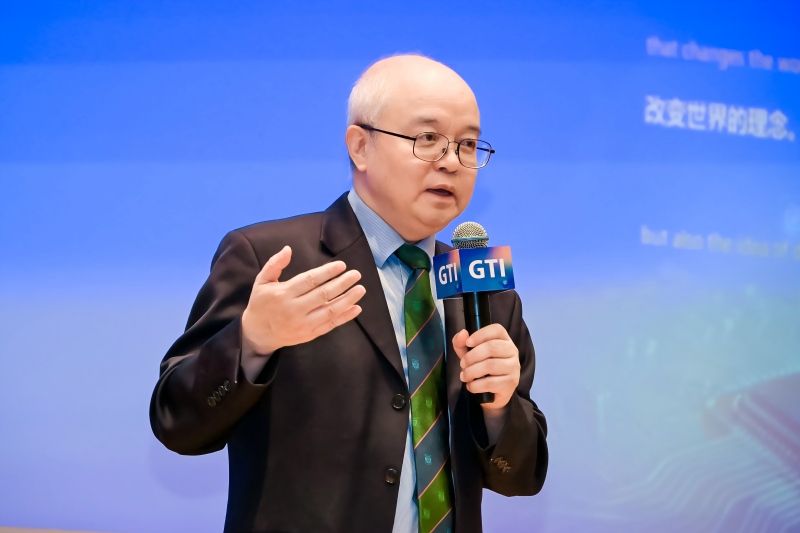
Wang Yang, Vice-President and Pro-Vice-Chancellor, institutional Advancement of The University of Hong Kong, said that HKU has long been committed to bringing together outstanding scholars from around the world and advancing breakthrough research and innovation, while further strengthening the translation of research outcomesinnovative practices and industrial applications. In the face of rapid technological transformation driven by artificial intelligence and other emerging technologies, universities should not only continue to advance fundamental research, but also play a more active role in connecting talent, ideas, and industry needs. He looked forward to further deepening HKU’s collaboration with China Mobile and industry partners through joint research, innovation platforms, and other initiatives, helping more frontier research move more quickly toward practical application.
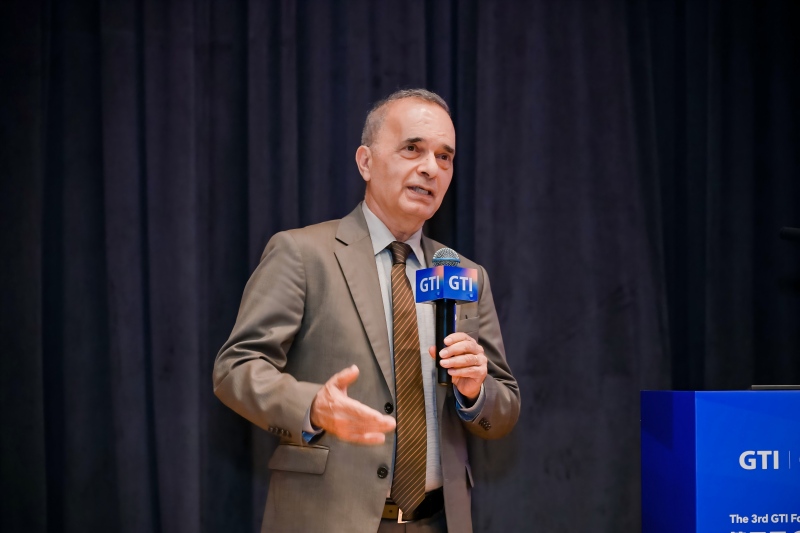
Javan Erfanian, Senior Director of Strategy at GTI, introduced GTI’s development journey and its progress in Mobile AI. He said that, as GTI enters its 3.0 stage, it is further connecting operators, industry partners, universities, and research institutions worldwide to advance technological, industrial, and think-tank collaboration around 5G-Advanced, 6G, and Mobile AI. In response to the challenges facing AI-native networks in areas such as architecture, trustworthy agents, integrated terrestrial and non-terrestrial networking, and large-scale deployment, GTI will leverage its open labs, 6G open testbed, technical research, and joint projects to promote closer collaborative innovation between industry and academia.
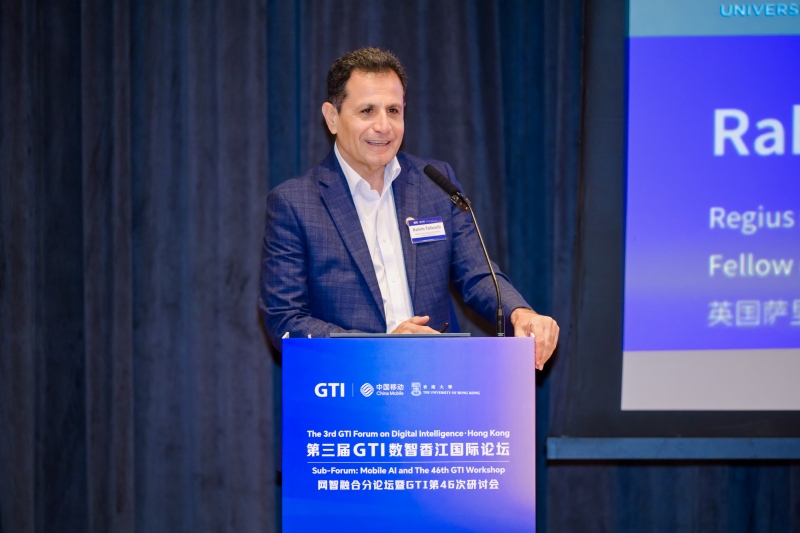
Rahim Tafazolli, Regius Professor of Electronic Engineering at the University of Surrey and Fellow of the Royal Academy of Engineering, noted that a major distinction between 6G and previous generations of communications technology lies in “unification.” Future networks will further unify terrestrial and non-terrestrial networks, fixed and mobile networks, IT and telecommunications, intelligence and communications, sensing and communications, and the physical and digital worlds, while organically integrating capabilities such as coverage, sensing, artificial intelligence, and time synchronization. He also shared research progress in areas including 3D networks, direct-to-device satellite communications, Space MIMO, and AI-based token communications, proposing that 6G could mark a new starting point toward ubiquitous connectivity and “connected intelligence.”
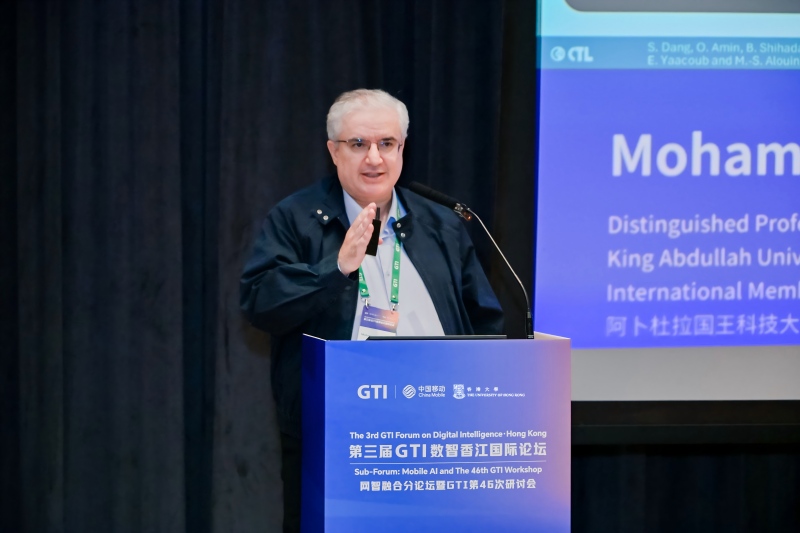
Mohamed-Slim Alouini, Distinguished Professor of Electrical and Computer Engineering at King Abdullah University of Science and Technology and Foreign Member of the U.S. National Academy of Engineering, shared his research on high-altitude platform communications and 3D networks. He noted that High-Altitude Platform Stations (HAPS), positioned between terrestrial and satellite networks, offer wide coverage, low latency, flexible deployment, and recoverability, and can work together with satellites, unmanned aerial vehicles, and terrestrial networks to form future non-terrestrial network architectures. Drawing on 5G HAPS trials and recent research, he further discussed the potential use of intelligent agents to jointly orchestrate communications, computing, energy, and flight resources, providing new research directions for building more sustainable and intelligent integrated space–air–ground networks.
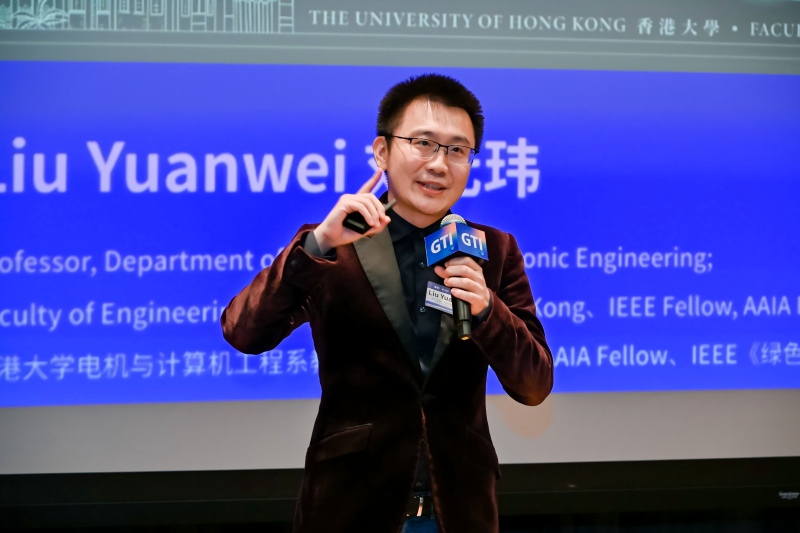
Yuanwei Liu, Professor in the Department of Electrical and Electronic Engineering at the University of Hong Kong, shared his insights on “site-specific wireless intelligence.” He noted that wireless propagation environments, deployment constraints, and service requirements vary significantly across different sites, and that future wireless intelligence therefore needs to evolve from general-purpose models toward site-specific intelligence. Digital twins can serve as an important foundation connecting real-world wireless environments with artificial intelligence, while two distinct technical paradigms—“learning” and “agents”—can be applied to different types of tasks. Site-specific learning can address high-frequency, pattern-driven tasks such as beamforming, while agents can handle open-ended, multi-step tasks such as base-station deployment and wireless application development, thereby advancing wireless networks toward more autonomous intelligent systems.
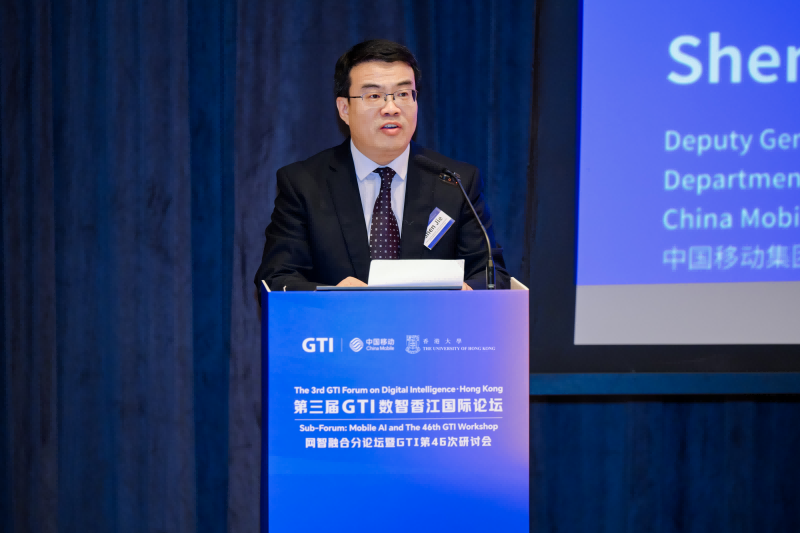
Shen Jie, Deputy General Manager of the Department of Networks at China Mobile Group, introduced China Mobile’s innovation and practices in Autonomous Networks. He said that AI is reshaping both communications networks and computing networks. As network scale continues to expand, service requirements become increasingly dynamic, and resource coordination grows more complex, traditional operating models need to evolve further toward greater intelligence and autonomy. China Mobile continues to advance Autonomous Networks around its “Zero-X and Self-X” vision and has already achieved large-scale deployment across multiple high-value scenarios. In services such as Migu Games, real-time network sensing, intelligent path selection, and predictive resource scheduling have effectively reduced end-to-end network latency. Looking ahead, the industry should further accelerate the evolution toward AI-native networks while strengthening deterministic network capabilities for AI services.
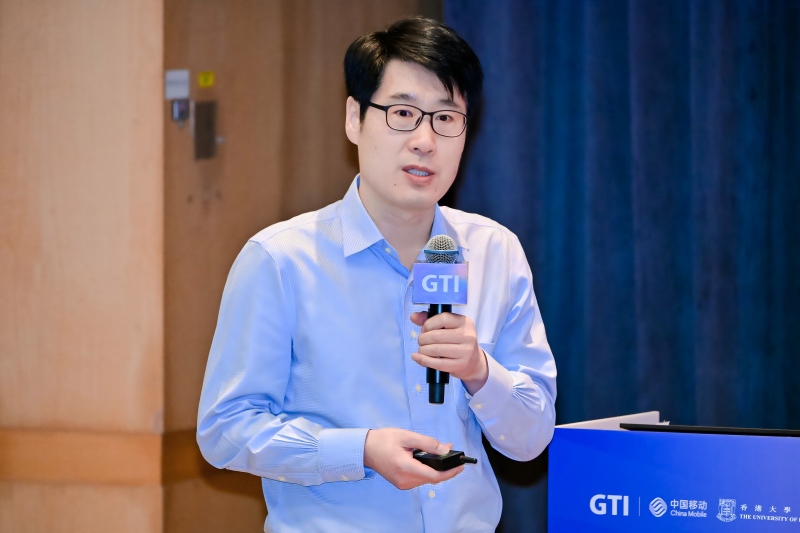
Chen Yongwei, Chief Network Architect of Huawei’s Wireless Network Product Line, shared key enabling technologies for the scalable development of Mobile AI networks. He noted that emerging AI services—including embodied intelligence, intelligent vehicles, AI smartphones, and wearable devices—place different requirements on network bandwidth, latency, reliability, and differentiated service assurance. To address these requirements, three key capabilities should be developed: Adaptive Air for real-time differentiated QoS assurance; intent-driven self-generative and autonomous networks to enhance network automation; and an A2A-T-based Agentic Fabric enabling collaboration among multi-vendor and multi-domain agents, skills, and data. Together, these capabilities can improve the efficiency of end-to-end integration and orchestration for new services and provide the network foundation required for Mobile AI to scale.
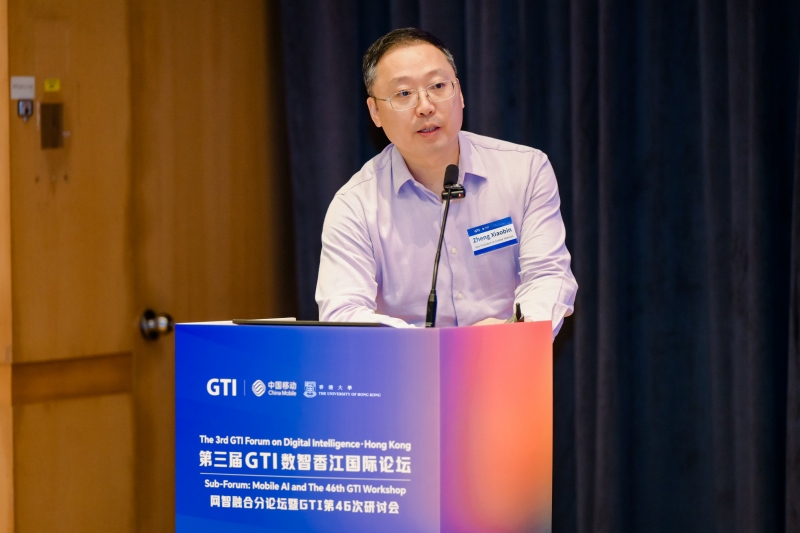
Zheng Xiaobin, Vice President of Comba Telecom, proposed that as AI moves beyond the digital world and furtherthe physical world, the key question for the future is not simply how intelligent a model can become, but whether AI can continuously perceive the real world at low cost and at scale. 5G-Advanced Ambient IoT can provide digital identities and continuous sensing capabilities for large numbers of physical objects such as products, assets, and materials, while device–edge–network–cloud collaboration can create a closed loop from perception and understanding to decision-making. Beyond “Network for AI” and “AI for Network,” he proposed a third perspective—“AI through Network”—under which the network becomes an intelligent bridge connecting AI with the physical world, enabling communications networks to evolve from “connecting everything” toward “understanding everything.”
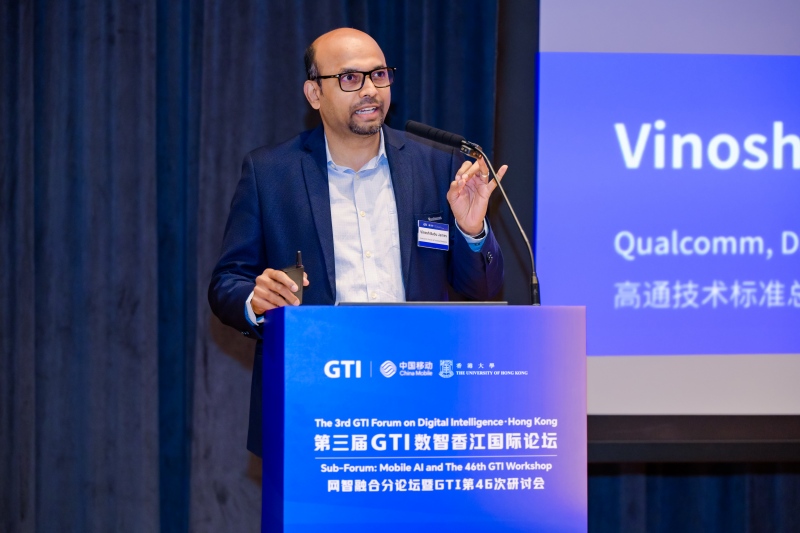
Vinosh Babu James, Director of Technical Standards at Qualcomm, shared his perspectives on scaling Mobile AI “from on-device intelligence to AI-native networks.” He noted that, as models continue to become smaller and device-side computing performance and energy efficiency continue to improve, AI is rapidly moving from data centers to devices and the network edge. The future is not simply a choice between on-device AI and cloud AI; instead, Hybrid AI will enable intelligent collaboration across devices, the edge, and the cloud. Looking toward 6G, networks will also need to achieve a further “unification of intelligence,” effectively orchestrating intelligence distributed across devices, networks, sensors, and the cloud, while providing a secure and reliable foundation for large-scale collaboration among AI agents through standardized interfaces, trusted collaboration, and governance mechanisms.
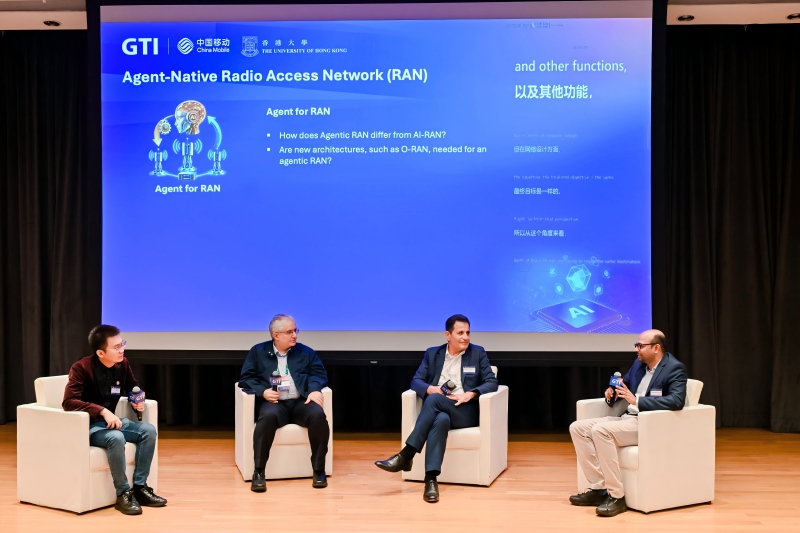
During the panel discussion on “Evolution Toward Networks with Native AI Agents,” Yuanwei Liu, Rahim Tafazolli, Mohamed-Slim Alouini, and Vinosh Babu James exchanged views on topics including Agent for RAN, RAN for Agent, and interfaces and governance among AI agents. The panelists agreed that as networks move toward higher levels of autonomy, reliable connectivity, low-latency and secure communications among trusted agents, as well as machine-understandable protocols and interfaces, will become increasingly important. At the same time, an appropriate balance must be achieved among network openness, levels of autonomy, performance, and security. Addressing the development of young researchers in the AI era, the panelists also emphasized the importance of actively mastering AI tools while continuing to build strong foundations in mathematics, communications theory, information theory, and related disciplines, so as to advance the integration of AI with traditional communications technologies.
The sub-forum explored the bidirectional convergence of AI and communications networks from multiple perspectives, including frontier research, network practices, industrial applications, and standards and ecosystems. Participants noted that, as 5G-Advanced continues to evolve toward 6G, networks will no longer serve merely as infrastructure for information transmission, but will increasingly integrate connectivity, computing, sensing, and intelligence. Through continued open collaboration among industry, academia, and international organizations, AI-native networks and Mobile AI technologies are expected to accelerate their transition from research and innovation to large-scale application, providing more open, flexible, and reliable digital infrastructure for the intelligent society of the future.