The 43rd GTI Workshop
Report in Collaboration with the GSMA Highlights Best Practice from National 5G Plans


The 43rd GTI Workshop was held on September 10 in Hong Kong, China. More than 200 representatives from universities, research institutions, and industry enterprises across multiple countries participated in the workshop. This workshop focused on the cutting-edge integration of AI and networks, and computility network, showcasing the latest explorations from the global industry, academia, and research community. It also injected new momentumbuilding an open and shared innovation ecosystem in Hong Kong and the Greater Bay Area. Moving forward, GTI will continue to collaborate with global partners to jointly promote the synergistic development of AI and networks, providing sustained impetus for the construction of a smart society and the digital economy.
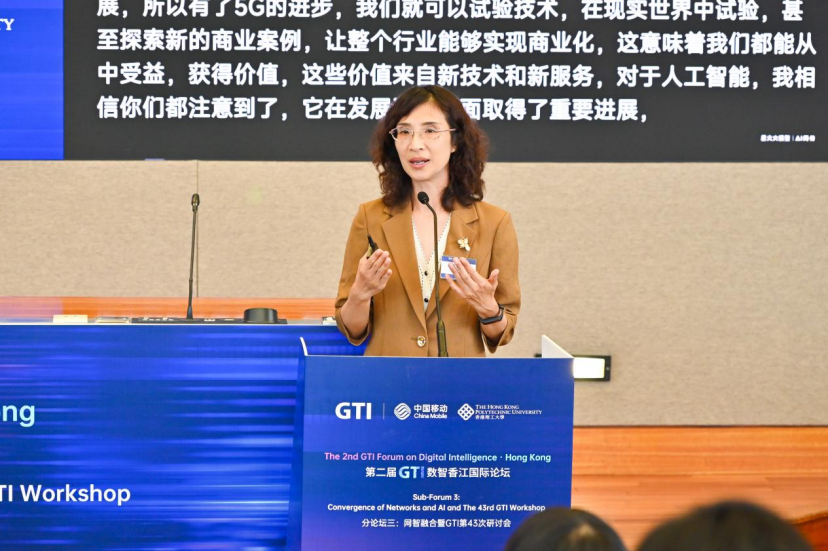
Madam Huang Yuhong, Secretary General of GTI, stated that as a crucial platform for global information and communication technology cooperation, GTI is actively promoting the collaborative innovation of AI and networks, aiming to build an "AI-native" network system for the 6G era. She emphasized the integration of AI and network technology is not an option but an inevitable path for the future development. GTI will continue to gather global innovative forces to jointly create an open, collaborative, and win-win innovation ecosystem, working with partners from the industry and academia to ensure that AI truly becomes a key force for the benefit of society.
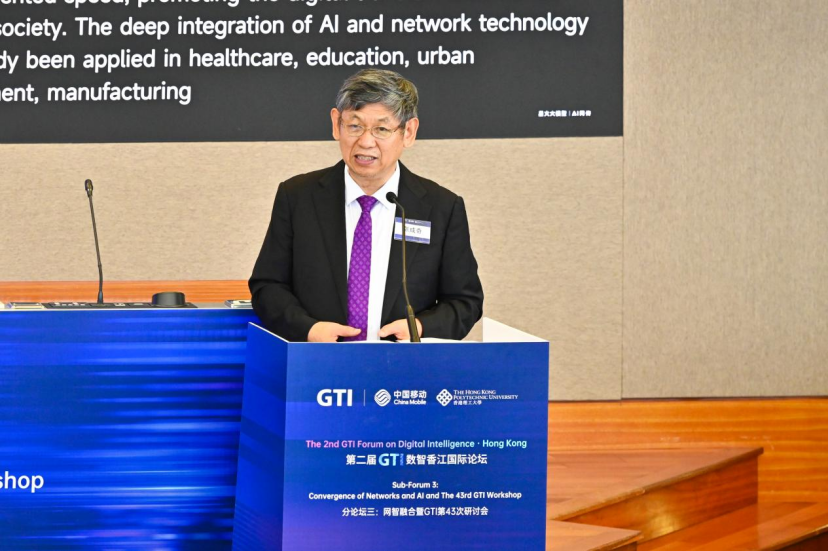
Mr. Zhang Chengqi, Chair Professor of Artificial Intelligence and Director of the Shenzhen Research Institute, The Hong Kong Polytechnic University, emphasized that the deep integration of AI and network will bring revolutionary changes to fields such as smart cities, intelligent manufacturing, and smart healthcare. The Hong Kong Polytechnic University is willing to work with global partners to establish an international innovation platform, promote the transformation and application of research outcomes, and inject sustained momentumthe economic and social development of Hong Kong and the Greater Bay Area.
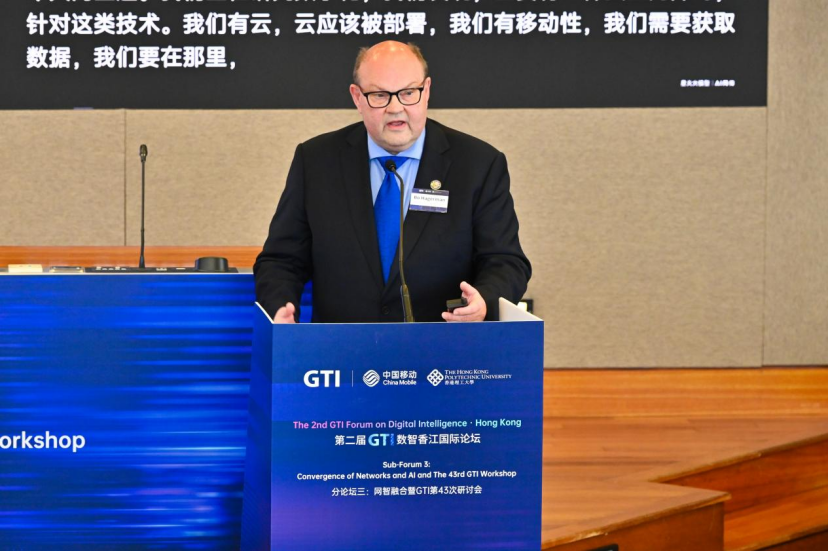
Mr. Bo Hagerman, Director of Advanced Technology-Asia Pacific in Ericsson, stressed that we are on the path toward an AI-native network. Future networks will not only serve people and machines but also become the optimal platform for AI applications. Trustworthiness, low latency, and autonomy will be the core capabilities of networks, while the trend of AI Everywhere will profoundly reshape the evolution of networks.
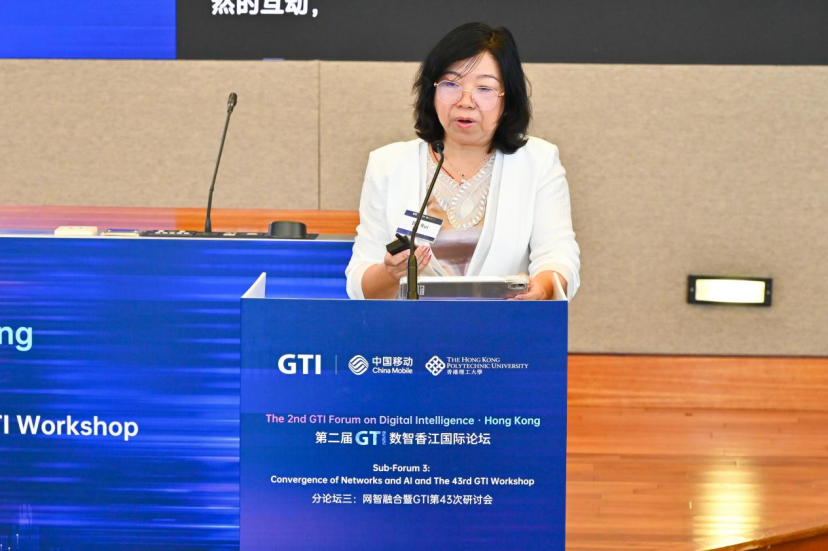
Ms. Bai Rui, Head of Enterprise Campus Edge for GCHN of Nokia, pointed out that generative AI will play a disruptive role in Industry 4.0. The time required to solve complex problems will be reduced from “several days” to “a few minutes”. The combination of AI with private wireless networks will significantly enhance production efficiency and factory safety, accelerating the intelligent transformation of industries.
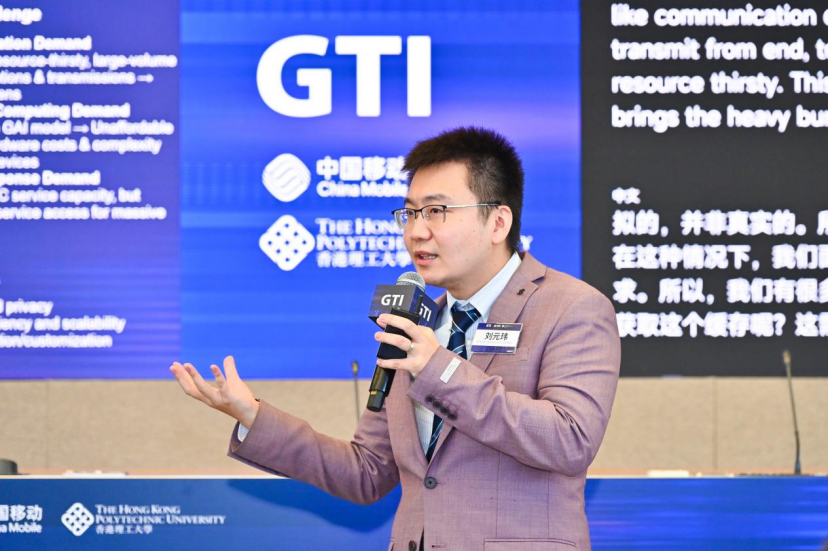
Mr. Liu Yuanwei, Professor of Department of Electrical and Electronic Engineering, Faculty of Engineering at The University of Hong Kong, pointed out that the explosive growth of generative AI is driving an unprecedented surge in data volume at an extraordinary pace. AIGC brings not only innovation in algorithms but also a fundamental transformation in the data generation paradigm. In the face of challenges such as massive data transmission, storage, and computation, we must explore new paradigms like “Mobile Generation” to enable efficient operation of large models on edge devices. He emphasized that networks in the AI era must not only serve people and objects but also support future communication among vast numbers of AI agents. This will be a new capability essential for 6G networks.
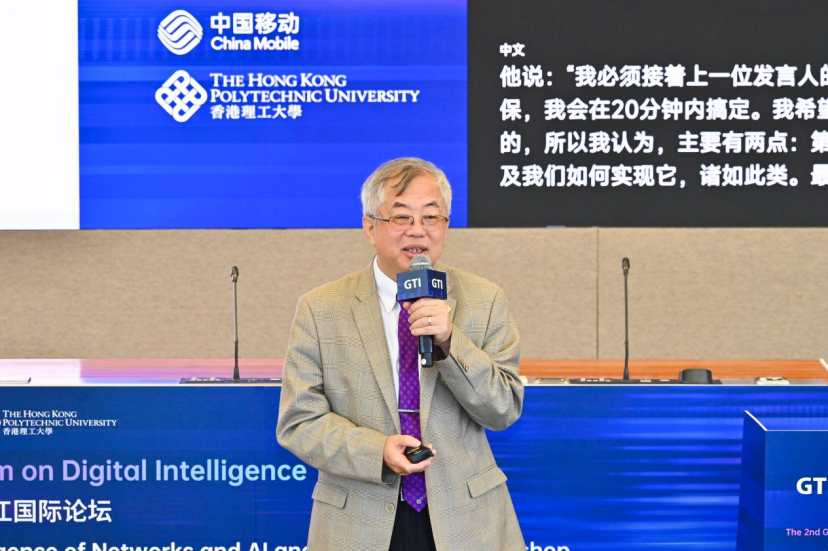
Professor Chen Changwen, Dean of Faculty of Computer and Mathematical Sciences at the Hong Kong Polytechnic University, shared the latest developments in "Semantic Communication for 6G". He pointed out that as the proportion of visual data in network transmission rapidly increases, overcoming the semantic gap and achieving "understanding rather than merely transmitting data" will become a key challenge for the integration of networks and AI in the 6G era. He stated that future networks must not only support communication between people and between people and things but also facilitate communication among intelligent agents.
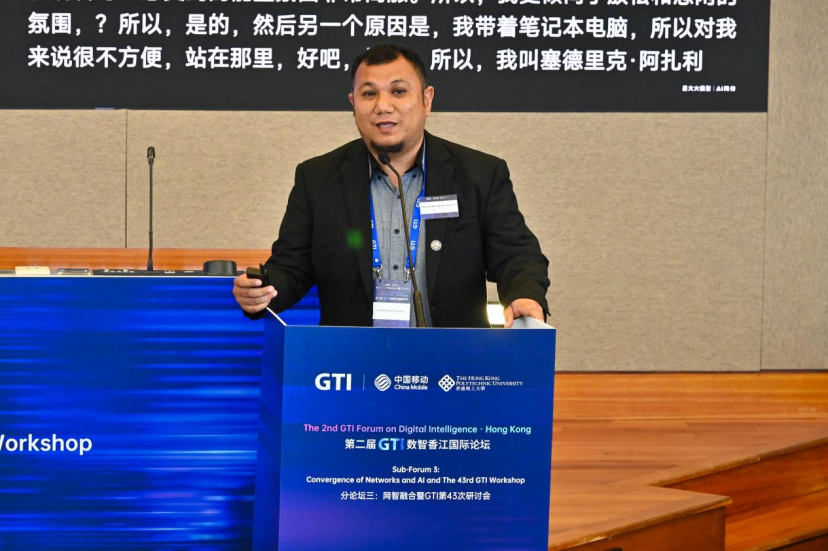
Mr. Saaidal Razalli Bin Azzuhri, Deputy Dean (Research & Innovation), Faculty of Computer Science and Information Technology at Universiti Malaya, stated that the university is exploring AI-agent collaborative communication mechanisms based on federated learning. Federated learning allows data to remain local, enabling distributed collaborative learning while protecting privacy, which aligns well with the characteristics of future 5G-Advanced and 6G networks. He pointed out that combining Multi-Access Edge Computing (MEC) with private 5G networks can provide highly reliable, low-latency AI training and inference capabilities for Industry 4.0 scenarios. The integration of AI with private 5G and automation will become a disruptive force in the industrial sector.
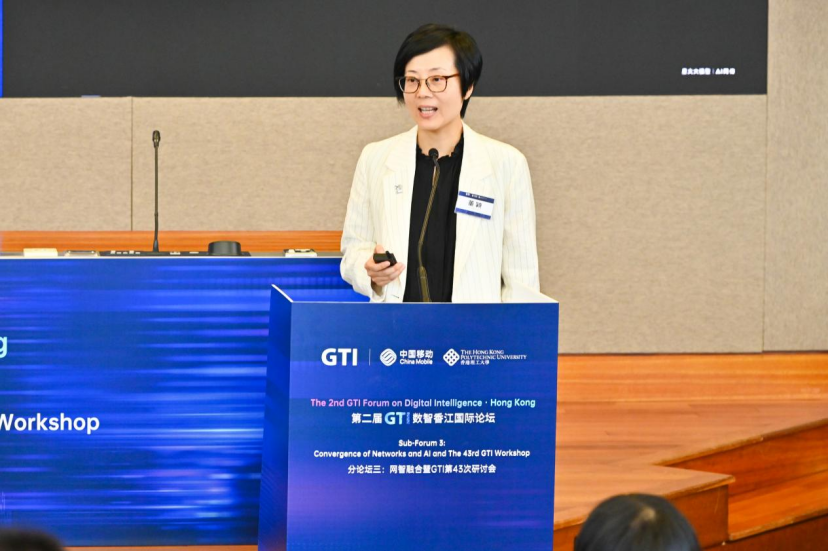
Ms. Dong Ying, Chief Engineer of Networking Software Communication Technology at Hong Kong Applied Science and Technology Research Institute, pointed out that AI is reshaping the world, while the potential of networks has long been constrained by the traditional model of "manual configuration and passive response." She stated, the true breakthrough lies not in enabling networks to connect but in enabling them to understand you. The intent-driven + AI agent network orchestration system we have proposed transforms network management from a manual, multi-hour processa new paradigm of automation with minute-level responsiveness.
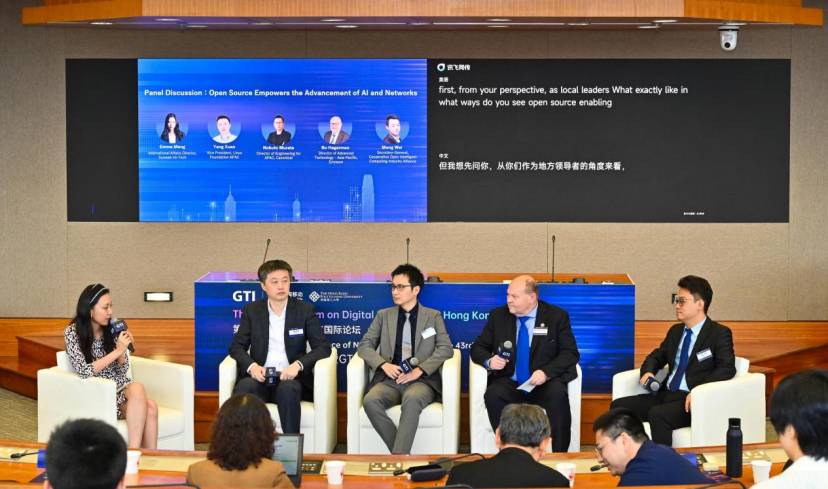
The workshop also featured an expert roundtable discussion session, focusing on "Open Source Empowers the Advancement of AI and Networks." During the in-depth exchange, the participating experts unanimously agreed that the open-source ecosystem serves as a crucial force in driving industrial innovation and international cooperation. They emphasized that it will provide a more open and sustainable development pathway for the deep integration of AI and networks.
For presentation of GTI workshops, please Click here.